
How to Choose a Hearing Aid: A Practical Buyer's Guide
How to pick the right hearing aid: matching the device to your audiogram, lifestyle and budget, the questions to ask before paying, and the mistakes that waste money.
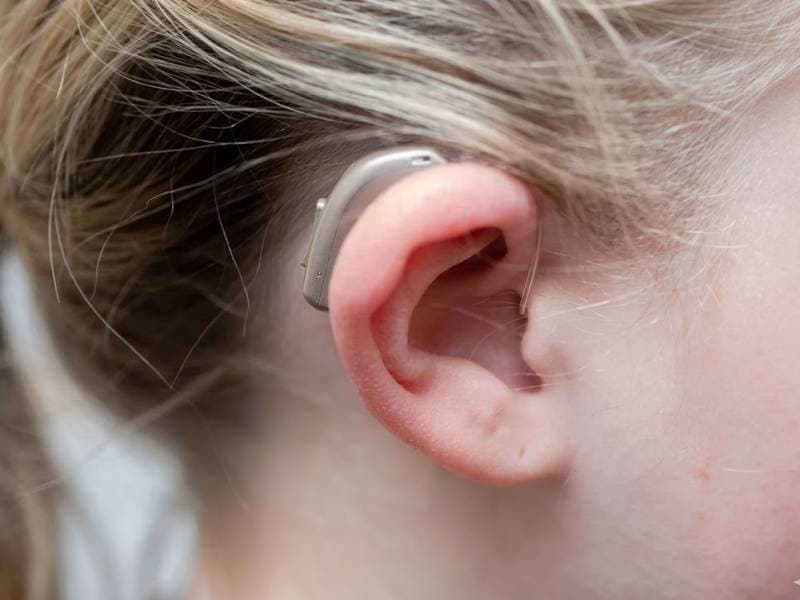
Prepare a short list of questions before comparing hearing aids. A qualified hearing professional can help you understand suitable options; the catalogue is a starting point for discussing exact models, features and costs.
Start with an assessment and your listening goals
Explain where listening is difficult and what you would like to improve. Ask how the assessment informs the recommendation. Include practical details such as handling small parts, wearing glasses, phone use and your budget.
Compare useful features
- Ask for an explanation and demonstration of features that matter to your routine.
- Check compatibility with your exact phone or television setup.
- Try the controls, insertion and removal where a demonstration is available.
- Compare charging arrangements with disposable battery handling.
- Ask how settings and comfort will be checked after fitting.
Compare the full cost
Request the exact model, quantity, accessories and support in writing. Ask about consumables, charger or battery replacement, servicing and follow-up costs. A higher price does not by itself establish a better outcome for your needs.
Questions before paying
- Who provides the warranty, for how long and with what exclusions?
- Are any trial, exchange or return arrangements available?
- What fitting and follow-up appointments are included?
- How do I get help if sound or comfort is a problem?
- What happens if a part is unavailable or the device needs repair?
Plan for support after fitting
Ask for a wearing and care plan and keep notes about situations that are difficult. Report discomfort or problems to the fitting professional. The appropriate adjustment process depends on you and the device; do not wait for an arbitrary deadline before asking for help.
Frequently asked questions
Further reading
For general hearing information, see the NIDCD hearing aids guide and guidance on sudden hearing loss. See also ASHA information about adult hearing assessment. For device care, follow your exact model's manufacturer instructions; Phonak provides model-specific care guides.