
10 Early Signs of Hearing Loss You Should Not Ignore
The everyday signs of hearing loss people miss for years — from turning up the TV to struggling in noisy rooms — and when it is time to get a hearing test.
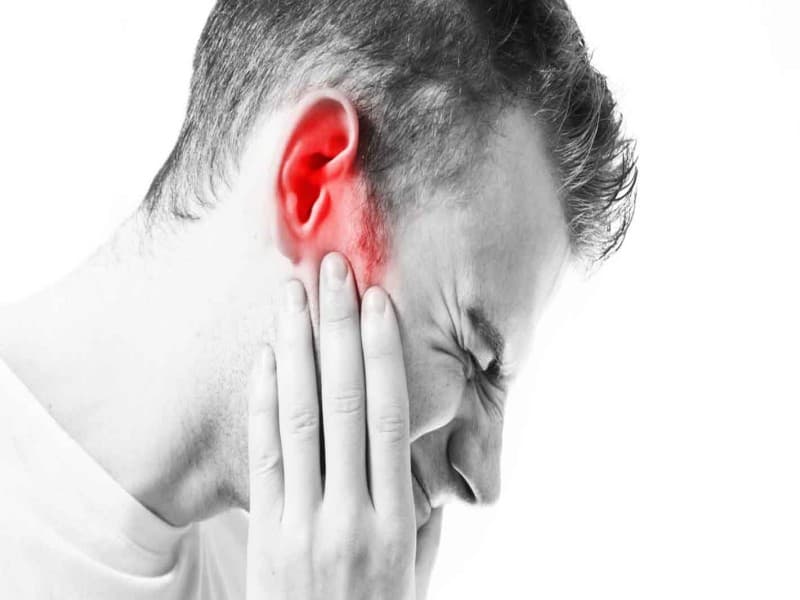
Hearing difficulties can be noticed in everyday situations. These examples are reasons to seek advice, not a diagnostic checklist. You do not need a particular number of symptoms before asking a qualified professional for help.
The everyday signs
- You hear people speaking but cannot make out the words, especially consonants like s, f, th and k.
- Conversation is fine one-to-one but becomes exhausting in a restaurant, at a wedding, or in any room with several people talking.
- Others say the TV or radio is too loud when it sounds normal to you.
- You ask people to repeat themselves several times a day.
- Phone calls are noticeably harder than face-to-face conversation, or you always use the same ear.
- You find some voices harder to follow than others.
- You have ringing, buzzing or hissing in the ears (tinnitus), particularly in quiet rooms.
- You find yourself watching people's lips to follow what they say.
- You avoid social gatherings, or leave them early, because following the conversation is tiring.
- You miss the doorbell, the phone, or someone calling you from another room.
Why waiting costs you
Hearing difficulty can affect everyday communication and participation in conversations. Getting advice can help you understand what is happening and discuss useful support. Avoid assuming that a hearing aid alone will address every difficulty.
Let a professional assess the cause
Hearing changes have different possible causes. A qualified healthcare professional can assess your symptoms and explain appropriate treatment or support. Do not diagnose the cause from an online checklist or stop prescribed medicines without medical advice.
When should you get a hearing test?
Arrange a hearing assessment if you notice a change or have concerns; you do not need to meet a symptom count. A qualified professional can advise on testing and future checks. Sudden hearing loss needs urgent medical attention.
Frequently asked questions
Further reading
For general hearing information, see the NIDCD hearing aids guide and guidance on sudden hearing loss. See also ASHA information about adult hearing assessment. For device care, follow your exact model's manufacturer instructions; Phonak provides model-specific care guides.